Choosing the Right Asphalt Contractor: Tips for Quality Pavement Solutions
Identifying the right asphalt contractor is important for securing durable pavement solutions. A quality contractor not only delivers durability but also follows industry standards and safety regulations. Several factors contribute to this decision, from confirming credentials to reviewing estimates. Practicing clear communication can considerably benefit the selection process. However, knowing where to start can be intimidating. Which steps should be prioritized to ensure a successful partnership?
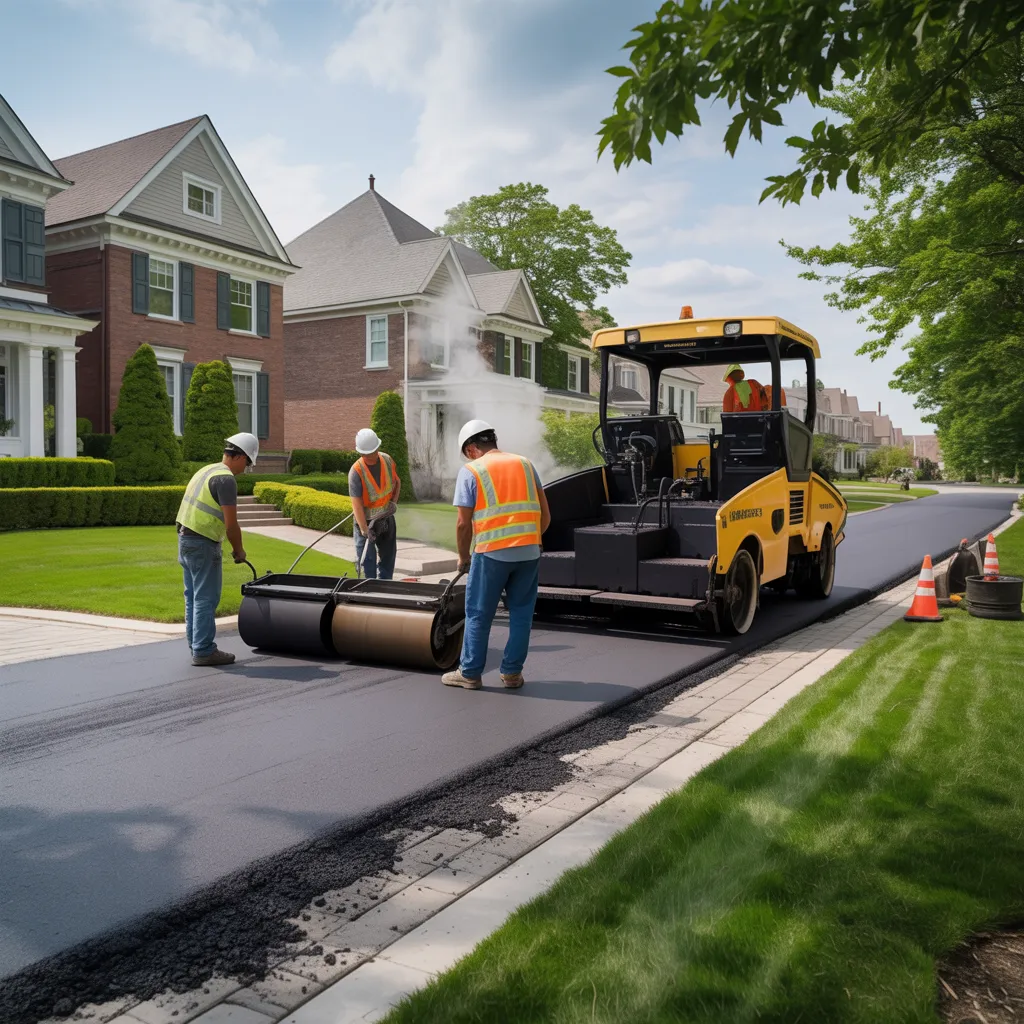
Understanding the Importance of Hiring a Quality Asphalt Contractor
When planning a paving project, understanding the importance of hiring a quality asphalt contractor becomes crucial. A skilled contractor not only secures the proper installation of asphalt but also contributes to the longevity and safety of the pavement. Quality materials and expert techniques are essential in preventing issues such as cracks and surface degradation. Additionally, an established contractor is likely to comply with industry standards, supporting overall project efficiency.
Additionally, a reputable contractor will provide accurate estimates and timelines, helping clients plan effectively. Their experience can also aid in identifying the best materials suited for specific environmental conditions. Moreover, hiring a skilled contractor can result in improved communication during the project, preventing costly misunderstandings. At the end of the day, taking the time to select the ideal asphalt contractor can result in substantial long-term cost savings, ensuring a durable and aesthetically pleasing pavement solution that fulfills the project's specific needs.
Key Traits of a Dependable Asphalt Contractor
A dependable asphalt contractor demonstrates several important qualities that set them apart from competitors. Most notably, they carry extensive industry experience, which confirms their ability to handle diverse projects effectively. This proficiency often translates into superior workmanship and a deep grasp of industry materials and practices.
Additionally, a reliable contractor focuses on transparent communication, assuring that clients are kept in the loop throughout the duration of the project. They supply comprehensive estimates, timelines, and are ready to addressing any inquiries or issues.
Moreover, a dedication to superior materials is fundamental; trusted contractors source high-grade asphalt and accompanying materials to provide lasting performance. They likewise follow safety standards and regulations, securing both their workers and the property of their clients.
Finally, an established reputation, supported by favorable reviews and client testimonials, strongly suggests a contractor's dependability. Together, these qualities assist in making a well-informed decision when identifying the best asphalt contractor for paving solutions.
How to Identify Qualified Asphalt Contractors
Identifying reputable asphalt contractors requires careful evaluation of their credentials and experience. It is important to seek references and review their completed projects to confirm high-quality results. By adhering to these guidelines, property owners can choose a contractor with confidence.
Confirm Credentials And Experience
Verifying credentials and experience is essential for selecting a qualified asphalt contractor. Future clients should first confirm that the contractor maintains the appropriate licenses and certifications demanded by local and state requirements. This guarantees that the contractor is compliant with industry standards and practices. Furthermore, examining the contractor's background in different asphalt projects can offer valuable insights into their skill and dependability. useful guide Contractors who have demonstrated consistent success in past projects are typically more capable of managing difficulties that might emerge during the work. Additionally, asking about any advanced training or continuing education in asphalt technology can serve as a strong indicator of a contractor's dedication to delivering quality results. In summary, comprehensive verification assists in reaching a well-informed decision, minimizing risks tied to paving projects.
Inquire About References
Once you have confirmed the contractor's background and skill set, the next course of action involves asking about referrals. This critical process allows prospective customers to gauge the contractor's dependability and workmanship. A reputable asphalt contractor should easily supply a list of former clients who can vouch for their services. It is wise to reach out to these references personally to learn about their interactions, focusing on aspects such as timeliness, professionalism, and overall satisfaction. Posing targeted questions can offer useful details, helping to establish whether the contractor meets the project's needs. In addition, reviewing online ratings and testimonials can additionally guide the decision-making process. Ultimately, extensive reference evaluations contribute to choosing a skilled professional for superior asphalt outcomes.
Review Past Projects
What is the best way to evaluate an asphalt contractor's capabilities? Evaluating previous projects is essential in this assessment. Prospective customers are encouraged to ask for a portfolio of finished projects, revealing the contractor's skill level and commitment to excellence. Observing various project types, such as residential driveways or commercial parking lots, offers valuable perspective on their range of expertise and adaptability. It is also beneficial to visit some of these sites, if possible, to assess the quality and durability of the pavement. Additionally, seeking client testimonials about the contractor's performance on past projects provides valuable insights into their dependability and professional conduct. In the end, a comprehensive review of past projects supports a well-informed choice when selecting an asphalt contractor.
Important Questions to Ask Your Asphalt Contractor?
When selecting a paving contractor, it is important to raise focused inquiries that highlight their expertise and credentials. Additionally, being aware of the anticipated schedule and pricing can help guarantee the project matches your goals. Covering these important aspects can lead to a better-informed choice and a smoother installation process.
Experience and Professional Credentials
Choosing an asphalt contractor demands careful assessment of their expertise and credentials. Prospective clients should look into the contractor's tenure in the field, as significant experience often is associated with reliable workmanship. Furthermore, reviewing the kinds of projects handled in the past can offer a glimpse of the contractor's expertise. It is also important to inquire about any credentials or specialized training the contractor or their crew has obtained, as these qualifications can enhance the overall quality of services provided. Seeking testimonials from former clients can help establish the contractor's reliability and reputation. Ultimately, a contractor with a demonstrated history of completed projects and happy clients is well-equipped to provide premium asphalt services tailored to specific needs.
Project Schedule and Expenses
Grasping the project schedule and related expenses is crucial for clients seeking asphalt services. To establish clarity, clients should ask about the estimated duration of the project, including potential delays due to weather or material availability. Additionally, it is essential to ask for a comprehensive overview of costs, covering labor, materials, and any extra charges. Clients should also discuss payment schedules and the contractor's policy on unforeseen expenses. By understanding these factors, clients can more effectively gauge the value of the services offered and reach well-considered conclusions. Moreover, developing clear communication about costs and timelines strengthens relationships between clients and contractors, ultimately leading to a more seamless project outcome.
Breaking Down Asphalt Estimates
How does one properly understand an asphalt estimate? Knowing the elements of an estimate is essential for making well-informed decisions. Typically, an asphalt estimate outlines material costs, labor expenses, and additional charges such as equipment rental and site preparation. Each item should be clearly itemized, allowing for easy comparison between different contractors.
A thorough proposal contains information about the asphalt material, thickness, and any required preparations, such as grading, leveling, or drainage solutions. This transparency allows clients gauge the quality of materials proposed and the comprehensiveness of the approach taken by the contractor.
Moreover, it is essential to think about the estimated timeline for project completion, as delays can lead to unexpected expenses. Homeowners should likewise seek information on warranties or guarantees provided with the estimate, as these can reveal the contractor's confidence in their work. Overall, a well-structured estimate functions as a critical instrument for reviewing potential asphalt contractors with confidence.
Recognizing Warning Signs in Asphalt Contractors
What warning signs should a person identify when evaluating asphalt contractors? Multiple cautionary signals may suggest concerns when choosing a contractor. To begin with, not having a physical business address or a professional website could signal unreliability or insufficient expertise. Additionally, should the contractor refuse to share references or examples of previous work, careful consideration is advised.
Another concern arises when a contractor requires full payment upfront, as this often points to a concerning absence of credibility. Furthermore, ambiguous or imprecise estimates may indicate undisclosed fees that could increase the total project expenses.
In addition, undue urgency to execute a contract rapidly is a serious cause for concern; trustworthy contractors give clients adequate time to consider their options. By staying alert to these red flags, homeowners can more effectively manage the contractor selection process and sidestep common hazards in their asphalt work.
Strategies for Communicating Effectively With Your Contractor
Maintaining open communication is critical for a fruitful collaboration with an asphalt contractor. Initially, clients should communicate their project goals, timeline, and budget from the outset. This clarity empowers the contractor to offer reliable projections and timelines. Periodic communication is necessary; clients should plan check-ins to evaluate progress and tackle any challenges. Preserving clear communication channels strengthens trust and verifies that both parties are in agreement.
Furthermore, clients ought to document all agreements and changes in writing, which helps avoid misunderstandings down the line. Using visual aids, such as diagrams or photos, can further improve understanding. Clients will benefit greatly from asking questions and requesting clarification on technical terms or processes. A responsive contractor will appreciate this engagement and will be more likely to deliver quality results. Ultimately, effective communication can lead to a smoother project experience and a finished product that meets the client's expectations.
Common Questions and Answers
What Types of Asphalt Services Do Contractors Typically Offer?
Contractors commonly deliver an array of asphalt solutions, including installation, repair, resurfacing, sealing, and striping. These offerings address various needs, ensuring proper maintenance and longevity of asphalt surfaces for both residential and commercial properties.
What Is the Typical Lifespan of Asphalt Pavement?
Asphalt surfaces commonly endure for between 15 and 20 years, depending on factors such as weather conditions, traffic volume, and upkeep routines. Routine care can increase its durability, ensuring ideal performance and appearance over time.
Can I Pave Over Existing Asphalt?
Paving over existing asphalt is indeed possible, given that the base surface is in a sound condition. Thorough preparation, such as cleaning and fixing cracks, is critical to ensuring the new layer adheres properly and stands the test of time.
What Weather Conditions Affect Asphalt Installation?
Weather conditions greatly impact asphalt installation. The optimal temperature range falls between 50°F and 90°F. Precipitation, severe heat, or low temperatures can impede adhesion and curing, potentially leading to cracking or inadequate bonding, which can diminish the final pavement quality.
What Steps Can I Take to Effectively Maintain My Asphalt Pavement?
To preserve asphalt surfaces properly, routine sealing, prompt crack repairs, proper drainage, regular cleaning, and avoiding heavy loads are necessary. These measures enhance durability, prevent damage, and prolong the lifespan of the pavement.